
Skip to main content Skip to main navigation Skip to footer content

Criminology

What motivates criminal behavior? How can we create a more just society? At FSC, you don’t just ask tough questions — you go out and find real answers.

Criminology

Quick Facts

Degree Options

  • Bachelor of Arts
  • Bachelor of Science
  • Minor

Program Format

  • In-person

Time to Complete

  • 4 Years

About the Criminology Major

Have you ever wondered what really drives someone to commit a crime, or what it takes to make the justice system fairer?

Florida Southern College’s Criminology program goes beyond the fascination with criminal behavior to investigate the causes and prevention of crime, analyze the legal process by which criminals are apprehended, judged, and punished, and assess the social policies and programs designed to address crime. These are complex issues — and FSC makes sure you have the expertise and the experience to contribute meaningfully to solving them.

Your coursework balances theory with practice. Classes like Policing in American Society and Criminalization of Mental Illness will challenge you to think critically while building a comprehensive understanding of the social causes of crime and the mechanics of our criminal justice system. You will visit correctional institutions, observe court proceedings, connect with criminal justice professionals, and conduct your own research — experiences that prepare graduates for careers in law enforcement, corrections, intelligence, law, social work, and graduate study.

Program Details

An intellectually rigorous, practically grounded program that connects the classroom to courthouses, correctional facilities, professional networks, and international perspectives. Criminology at FSC is for students who want to understand justice — and do something about it.

First-Year Applicants

All freshman applicants to Florida Southern Colleges full-time degree programs must submit the following information:

Transfer Applicants

Applying to Florida Southern as a transfer student is easy. Submit:

If transferring fewer than 24 credits, also include your official high school transcript and SAT/ACT scores.

Learn More about transfer admissions

International Applicants

Review all international admission requirements

Your coursework moves from the foundations of the justice system to advanced study of courts, corrections, and research. Along the way, you'll:

  • Examine how race and culture shape the justice system, starting your first year
  • Study policing, ethics, and the theories behind criminal and deviant behavior
  • Explore victimology and the criminalization of mental illness
  • Design and conduct your own research using statistics and social research methods
  • Complete an internship and a senior research paper in the Seminar in Criminology

You'll visit correctional institutions, observe court proceedings, and connect with criminal justice professionals, preparing for careers in law enforcement, corrections, intelligence, law, social work, and graduate study.

The BA and BS in Criminology are both 124-credit-hour degrees built around a rigorous core in criminological theory, research methods, and the criminal justice system, supported by electives that allow students to specialize in areas of interest.

A. WRIGHT Foundations Requirements 34 hours
B. Major Requirements 56 hours
CRM/SOC 1200 Race, Culture, and the Criminal Justice System
CRM 1280 Introduction to Criminal Justice
CRM 2350 Policing in American Society
CRM 2430OR PHI 2204 Ethics in Criminal JusticeOR Ethics
MAT 2022 Elementary Statistics
CRM/SOC 3303OR CRM 3340 Sociology of Deviant BehaviorOR Criminology
CRM/WST 3700 Victimology
CRM/SOC 4420 Methods of Social Research
CRM 4440 Judicial Processes
CRM 4450 Corrections and Rehabilitation
CRM 4960/4961 Criminology Internship
CRM 4999 Seminar in Criminology
Choose 8 hours from the following:
COM/SOC 2270 Intercultural Communication
CRM/PSY 2100 Critical Thinking in the Social and Behavioral Sciences I
CRM/PSY 3100 Critical Thinking in the Social and Behavioral Sciences II
CRM/SOC 3303 Sociology of Deviant Behavior (if not chosen above)
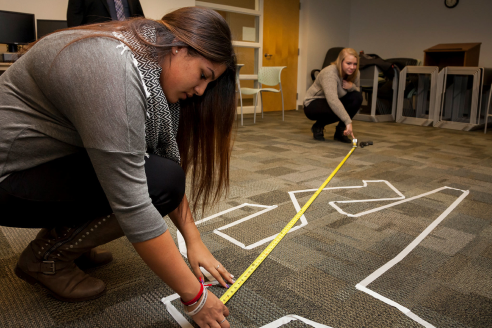
CRM 3310 Crime Scene Investigation
CRM 3340 Criminology (if not chosen above)
CRM 3360 Juvenile Delinquency
CRM/PSY 3380 Professional Development in the Social and Behavioral Sciences
CRM/SOC 3855 Selected Topics in Criminology/Sociology
CRM/PSY 4430 Criminalization of Mental Illness
SOC/WST 2220 Marriage and Family
SOC 2240 Clinical Sociology
C. Bachelor of Arts Degree Requirements 20 hours
OR
D. Bachelor of Science Degree Requirements 12 hours
E. Electives 14–22 hours
F. Total 124 hours

Research and Capstone

Every criminology major completes CRM 4999 Seminar in Criminology, the program's capstone course. Through readings, research, and class discussion, you'll examine pressing crime-related issues such as corporate, environmental, and political crime, violence, drugs, and prison overcrowding. You'll also write a senior paper on a topic of your choice: developing a research question, examining the literature on a specific crime or social issue, and recommending criminal justice reforms based on your findings.

Internship

Every criminology major completes a supervised internship in a criminal justice setting at the local, state, or federal level. Students choose their own internship site based on their interests and career aspirations. Recent students have interned everywhere from the Polk County Sheriff's Office and State Attorney's Office to the U.S. Department of Justice.

Criminology students at FSC are part of a passionate, socially engaged community of students and faculty. Get involved with:

  • Deskovic Foundation Students in FSC's chapter of the Jeffrey Deskovic Foundation for Justice review court documents and case files to help determine whether a wrongfully convicted person should be granted a new trial.
  • Criminology Club organizes service events, including toy drives to support children served by the Sheriff’s Department, and volunteer opportunities at organizations like Neighborhood Ministries and the Pace Center for Girls.
  • Alpha Phi Sigma, the national criminal justice honor society

Learn Directly From the People Who Do the Work

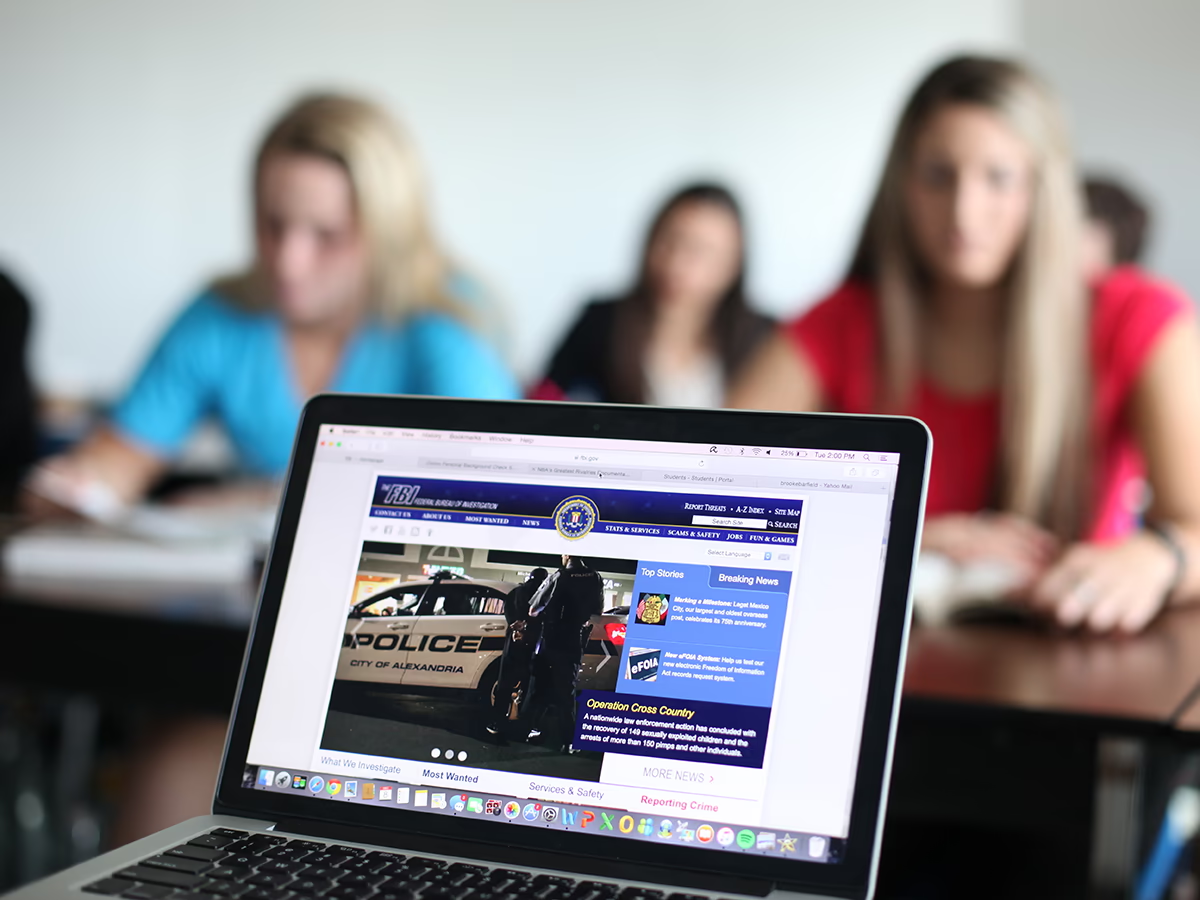
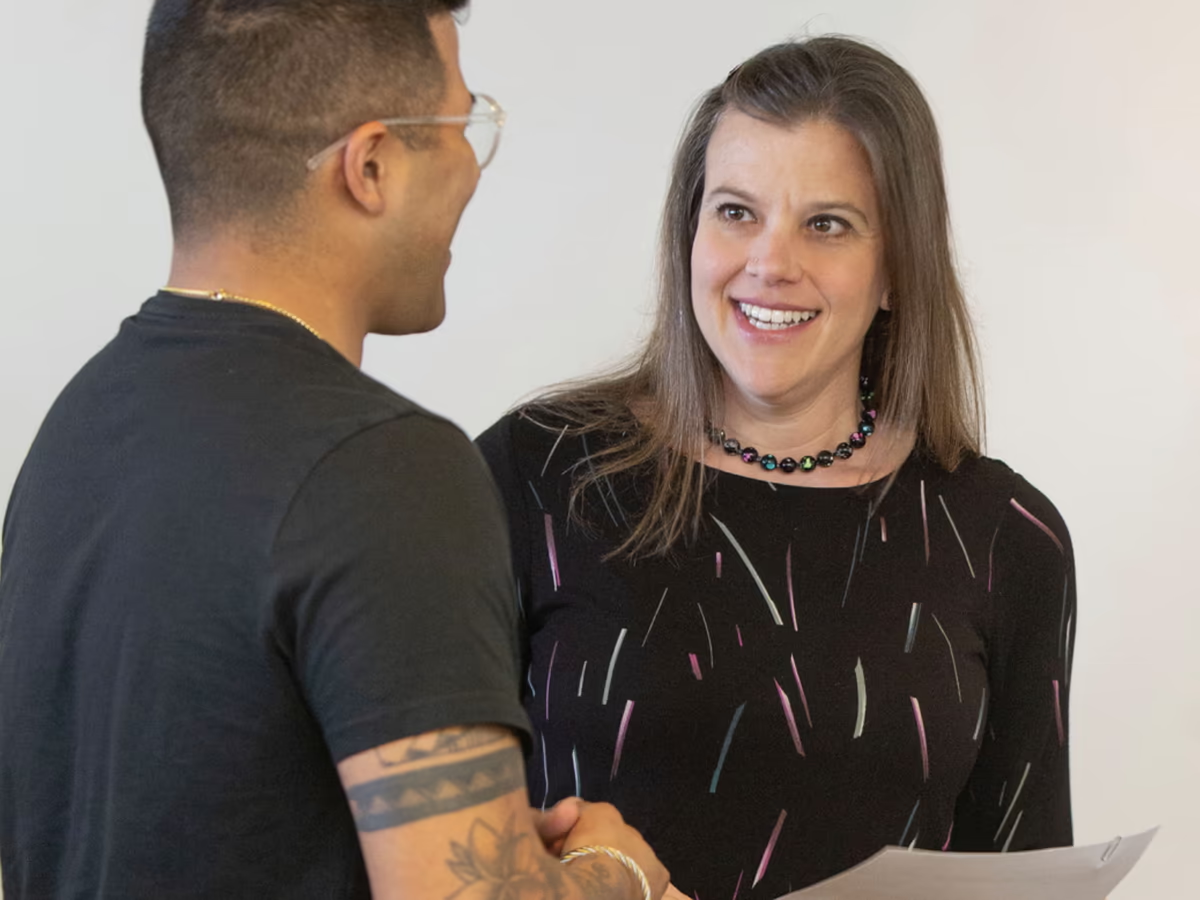
FSC Criminology professors bring academic expertise and real-world experience to the classroom, and they bring in the professionals too. You'll hear from the Secret Service, DEA, U.S. Marshals Service, local law enforcement, judges, attorneys, and formerly incarcerated individuals whose firsthand accounts no case study can match. Guest speakers also tackle urgent issues like human trafficking, wrongful convictions, and mental health in the justice system.

Learn Directly From the People Who Do the Work

Conduct Original Research and Publish It

FSC Criminology students do not just read about research. They do it.

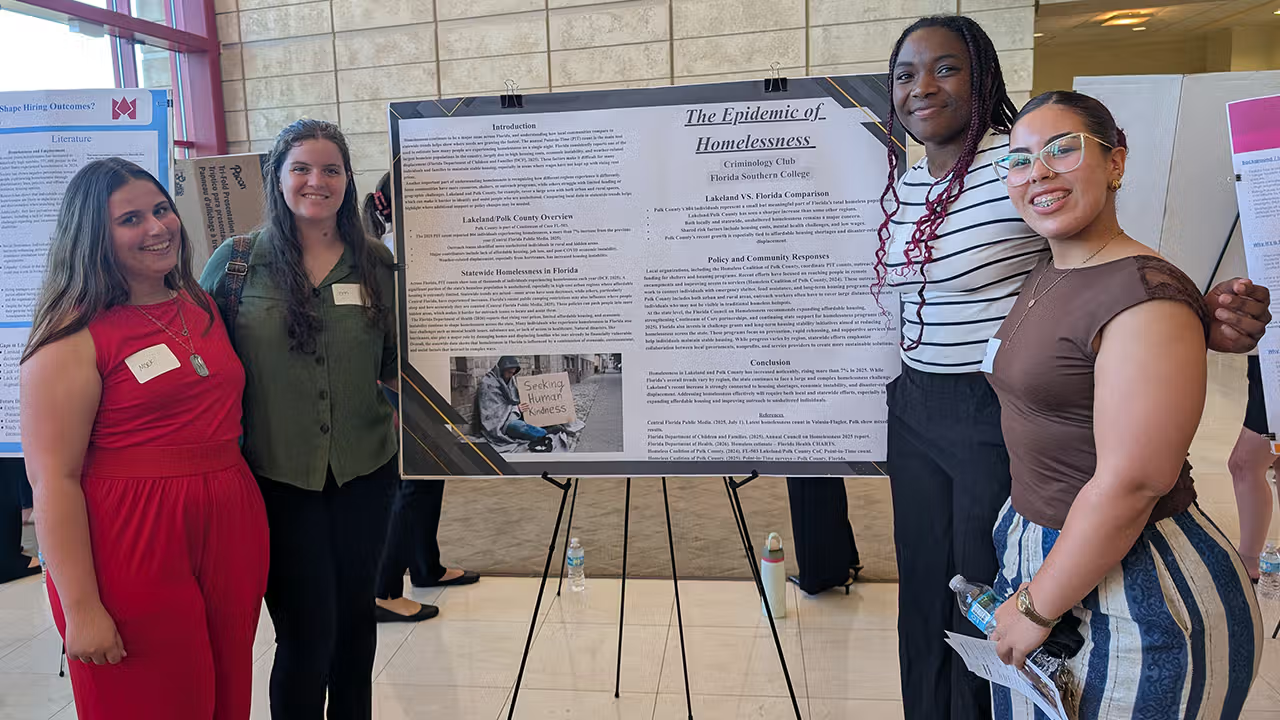
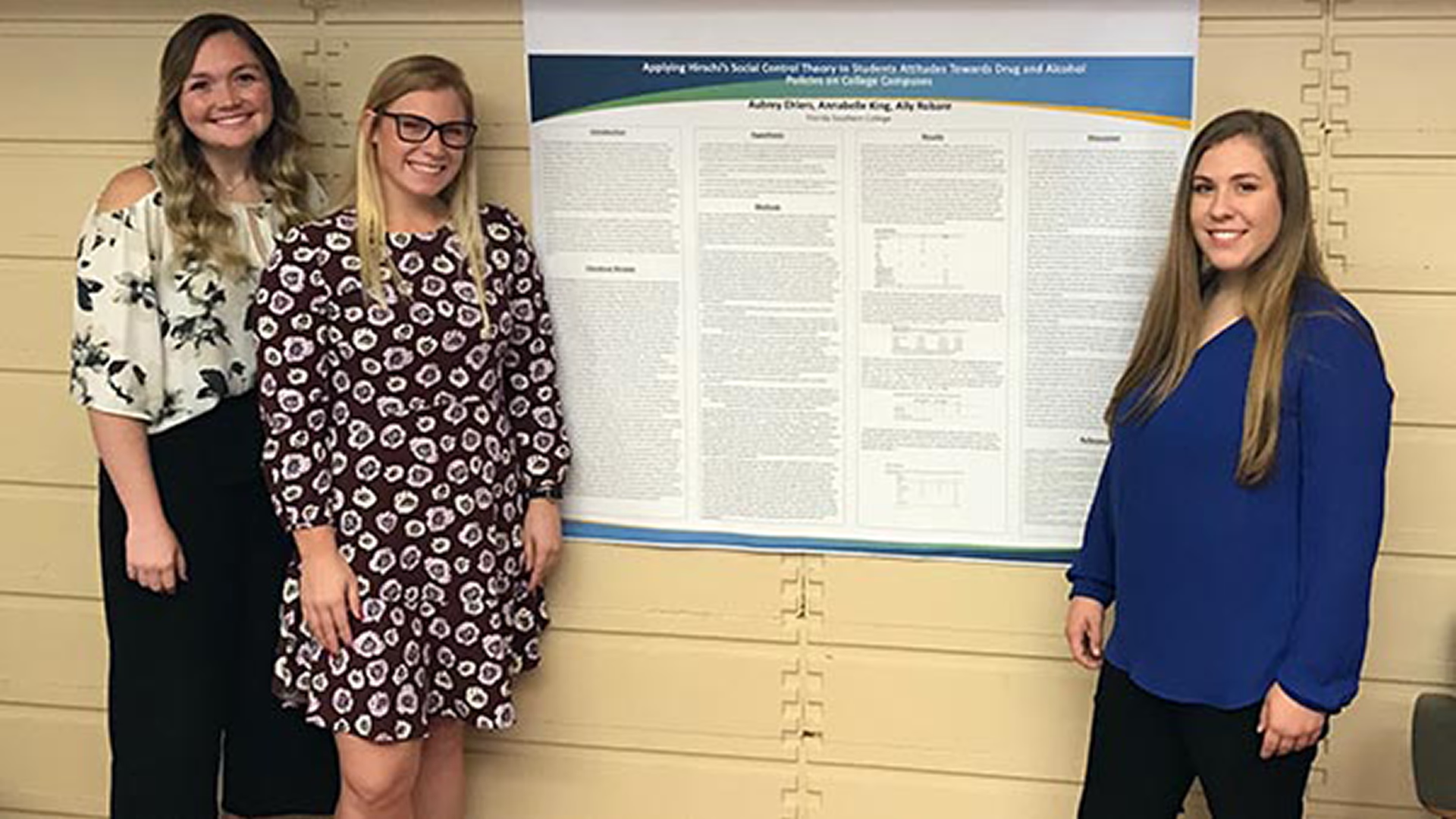
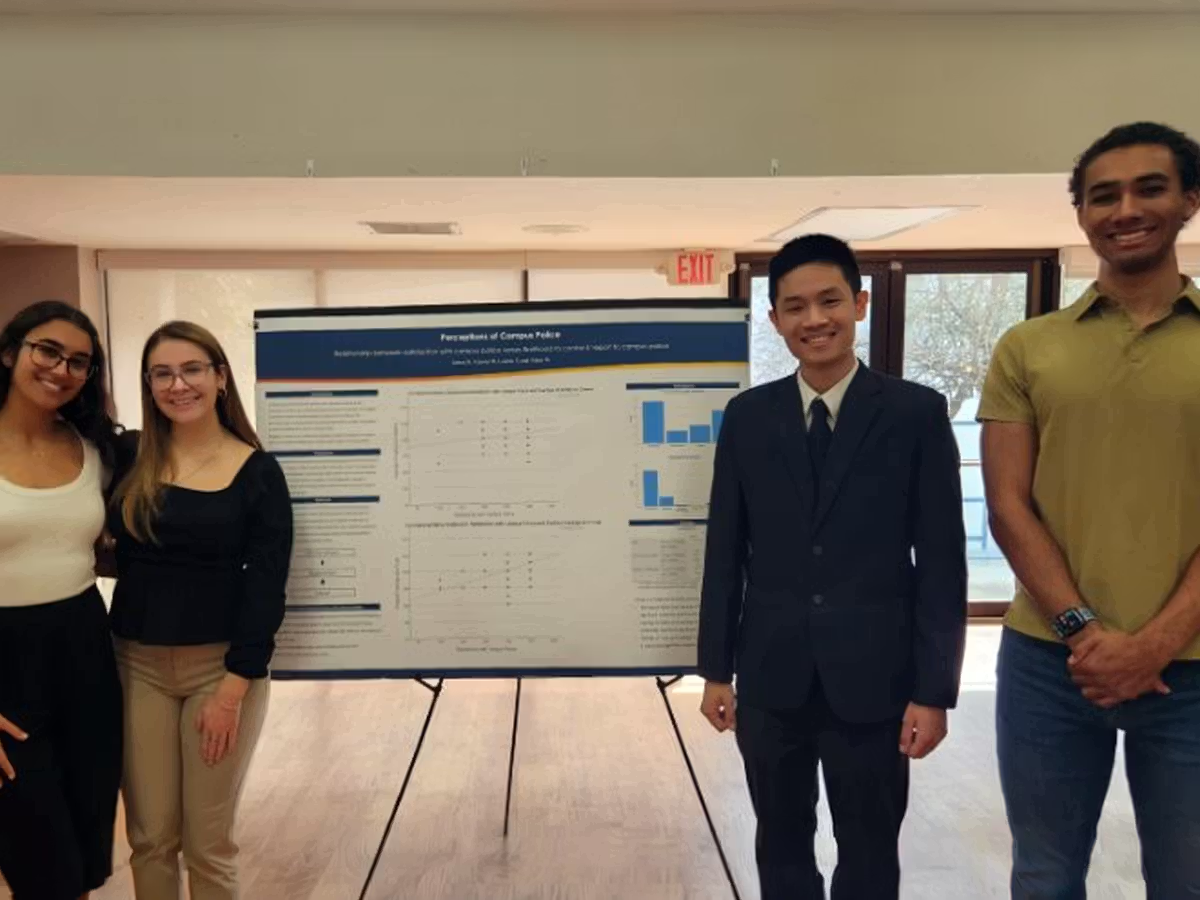
In CRM 4420: Research Methods, you'll choose a topic, design a study, analyze the data, and present your findings at the department's end-of-term poster session. Standout projects go further: students have presented at the Southwestern Social Science Association's annual meeting, and many have published in academic journals.

Conduct Original Research and Publish It

Perfectly Situated for a Criminal Justice Career

FSC's Lakeland location, between Tampa and Orlando and near the county seat in Bartow, puts criminal justice agencies at every level within reach. Students have interned with the Polk County Sheriff's Office, State Attorney's Office, Public Defender's Office, Florida Attorney General's Office, U.S. Department of Justice, and local nonprofits. Ride-alongs with local law enforcement offer a firsthand look at patrol work, and partnerships like The Washington Center open doors nationally and internationally.

Perfectly Situated for a Criminal Justice Career

Outcomes and Careers in Criminology

A Criminology degree from FSC opens doors to careers in law enforcement, law, social work, corrections, intelligence, public policy, and graduate study.

100% of FSC's Class of 2025 Criminology graduates reported being employed or enrolled in graduate school within six months of graduation.

Law Enforcement and Federal Agencies

FSC Criminology graduates pursue careers in local, state, and federal law enforcement — as police officers, state troopers, Secret Service agents, DEA officers, U.S. Marshals, TSA officers, and FBI analysts. The combination of theoretical depth, field experience, and government agency connections that FSC provides gives graduates a meaningful edge in competitive hiring processes.

Law and the Legal Profession

Criminology is one of the strongest pre-law majors available. The program’s emphasis on judicial processes, research methods, and critical analysis of policy develops exactly the analytical and writing skills that law school admissions committees look for. FSC graduates have gone on to law school and careers as defense attorneys, prosecutors, and judicial attorneys.

Corrections, Rehabilitation, and Social Services

Careers in corrections, probation, parole, juvenile justice, and social services draw directly on the criminological foundations FSC develops, understanding the causes of crime, the mechanics of the justice system, and the social policies designed to address both. FSC’s partnerships with the Polk County Sheriff’s Office, nonprofit organizations, and the Pace Center for Girls provide direct pathways into these fields.

Intelligence and Homeland Security

The analytical skills developed through FSC’s Criminology curriculum — research methods, data interpretation, policy analysis, and understanding of criminal behavior — translate directly to careers in intelligence analysis, homeland security, and counterterrorism.

Graduate Study in Criminology, Law, and Social Science

FSC’s emphasis on original undergraduate research, including poster presentations and publication opportunities, makes Criminology graduates strong candidates for graduate programs in criminology, criminal justice, sociology, public policy, social work, and law. The sequence of research methods and the option of a senior thesis provide the writing samples and analytical credentials that graduate admissions committees value.

Student Voices

Hear from Mocs exploring what criminology makes possible at Florida Southern.
Lucas Blackwell

“During the second semester of my freshman year, I took the Corrections and Rehabilitation class, which provided the chance to tour a local jail and a prison. I definitely learned a lot about our justice system.”

Lucas Blackwell
Sierra Laatsch

"I love when we have guest speakers come in from different places to speak about what their job is and answer any questions that we may have regarding that field.”

Sierra Laatsch

Engaged Learning

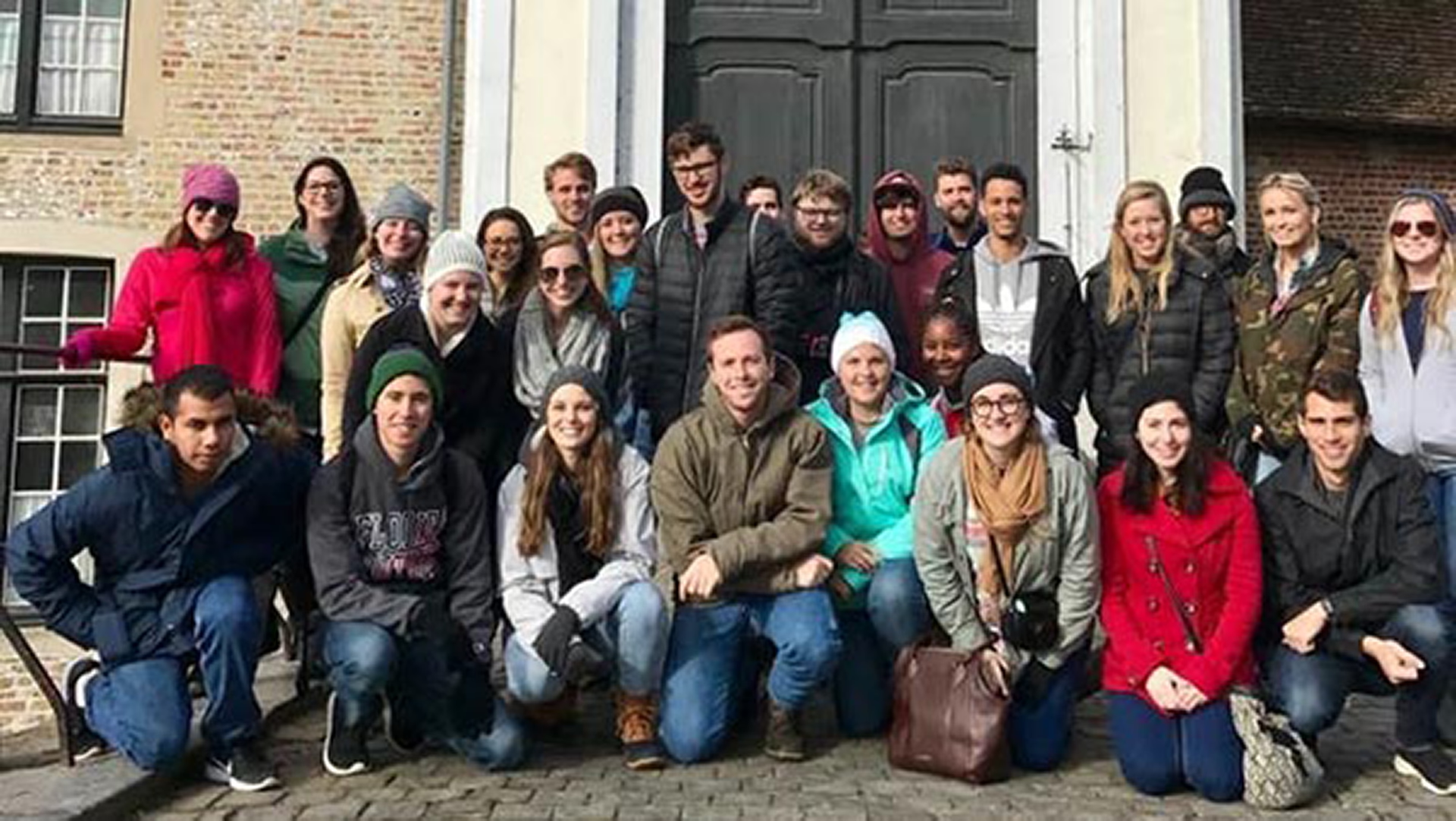
From first-semester jail visits and law enforcement ride-alongs to Junior Journey trips to the Netherlands and Belgium, research presentations at national conferences, and internships with the U.S. Department of Justice, FSC Criminology students are always in the field. Every experience builds the expertise, the professional network, and the firsthand knowledge that careers in justice demand.

Engaged Learning

Outside the Classroom

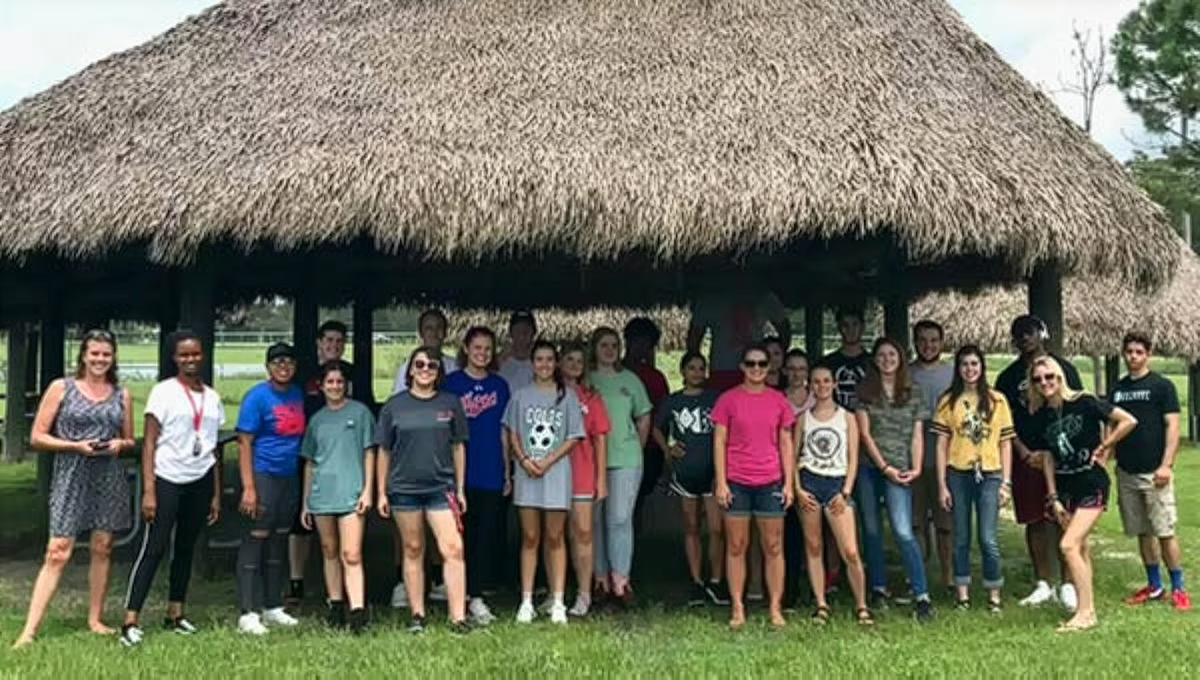
At FSC, criminology is something you experience. Our engaged learning approach means students step outside the classroom to investigate real-world justice issues, connect research to action, and gain a deeper perspective on crime, culture, and society.

1 of 4

Meet the Faculty

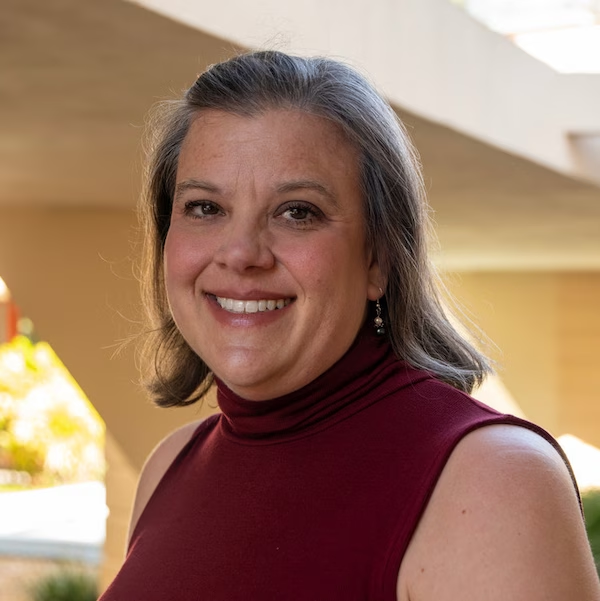
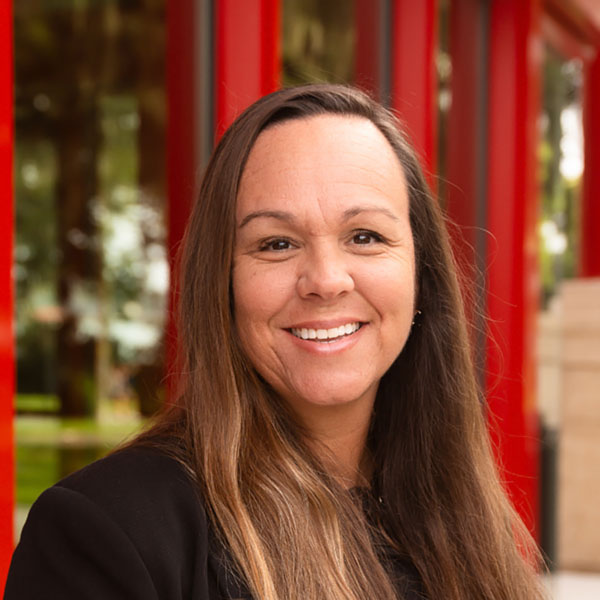
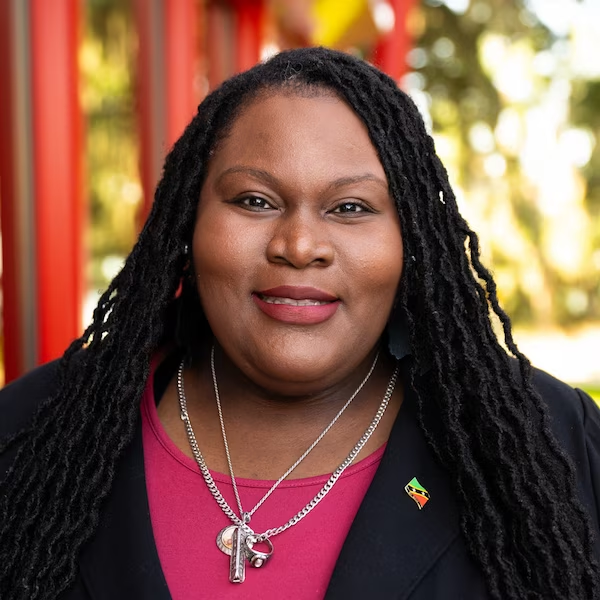
Meet the experts who will guide your study of crime and justice, each bringing a different combination of academic credentials and professional experience.

Frequently Asked Questions

Criminology is the scientific study of crime — its causes, patterns, social context, and the policies designed to address it. Criminal justice focuses more on the systems and institutions that respond to crime: law enforcement, courts, and corrections. FSC’s Criminology program bridges both, giving students theoretical depth in the causes of crime alongside practical exposure to the criminal justice system through internships, field visits, and professional guest speakers.

Yes; it is one of the strongest. Criminology develops exactly the analytical, research, and writing skills that law school admissions committees look for, while giving students direct exposure to the legal system through courtroom observations, judicial processes coursework, and interactions with judges and attorneys. FSC graduates have gone on to law school and careers as prosecutors, defense attorneys, and judicial attorneys.

FSC Criminology graduates pursue careers as law enforcement officers, federal agents (Secret Service, DEA, U.S. Marshals, FBI), corrections officers, probation and parole officers, social workers, intelligence analysts, attorneys, policy analysts, and researchers. The degree also provides a strong foundation for graduate study in criminology, law, social work, and public policy.

FSC’s location between Tampa and Orlando and its proximity to the Polk County seat in Bartow give students access to internships at the local, state, and federal levels. Recent students have interned with the Polk County Sheriff’s Office, the State Attorney’s Office, the Public Defender’s Office, the Florida State Attorney General’s Office, various nonprofit organizations, and the U.S. Department of Justice.

Yes — from their first semester. First-year students visit the Polk County Jail and the Emergency Communications Center through the Learning Community program. Students also go on ride-alongs with local law enforcement, tour correctional institutions, observe court proceedings, and hear directly from Secret Service agents, DEA officers, U.S. Marshals, judges, attorneys, and formerly incarcerated individuals. A supervised internship is also part of the degree.

Yes. Through a unique travel-study experience titled “An Examination of Crime, Deviance, and Culture in The Netherlands and Belgium,” students visit Amsterdam and Brussels to gain an international perspective on crime and its impact on society, examining how different cultures approach justice and deviance.

Yes. Every Criminology student completes an original research project through CRM 4420: Research Methods, presenting findings at the department’s end-of-term poster session. Outstanding projects have been presented at the Southwestern Social Science Association’s annual meeting, the longest-running social science conference in the United States, and many students have published their research in academic journals.

Both degrees share the same Criminology core curriculum. The BS emphasizes additional science and mathematics coursework, providing a stronger foundation for students planning graduate study or research-focused careers. The BA offers more elective flexibility for students combining Criminology with another discipline, such as political science, psychology, social work, or pre-law coursework.

Admissions Events

Get an inside look into the Florida Southern College experience with on-campus tours and events designed to show you what it will be like to live, study, and play at FSC.

Jan 23, 2027

Students at Waterdome

Southern Select

  • Branscomb Auditorium

Much more than a traditional campus visit, Southern Select includes team building activities, a...

Admissions

1of1

Related Programs

If you are drawn to justice, policy, and human behavior, FSC offers additional programs that pair naturally with a Criminology foundation:

Ready to Make a Difference

The criminal justice system needs people who understand it deeply — and want to make it better. Take your next step toward a BA or BS in Criminology at Florida Southern College.